At a Glance
- Used Facebook’s health survey to quickly measure COVID-19 vaccine hesitancy in Bangkok.
- Hesitancy dropped about 7% weekly as vaccination rates rose.
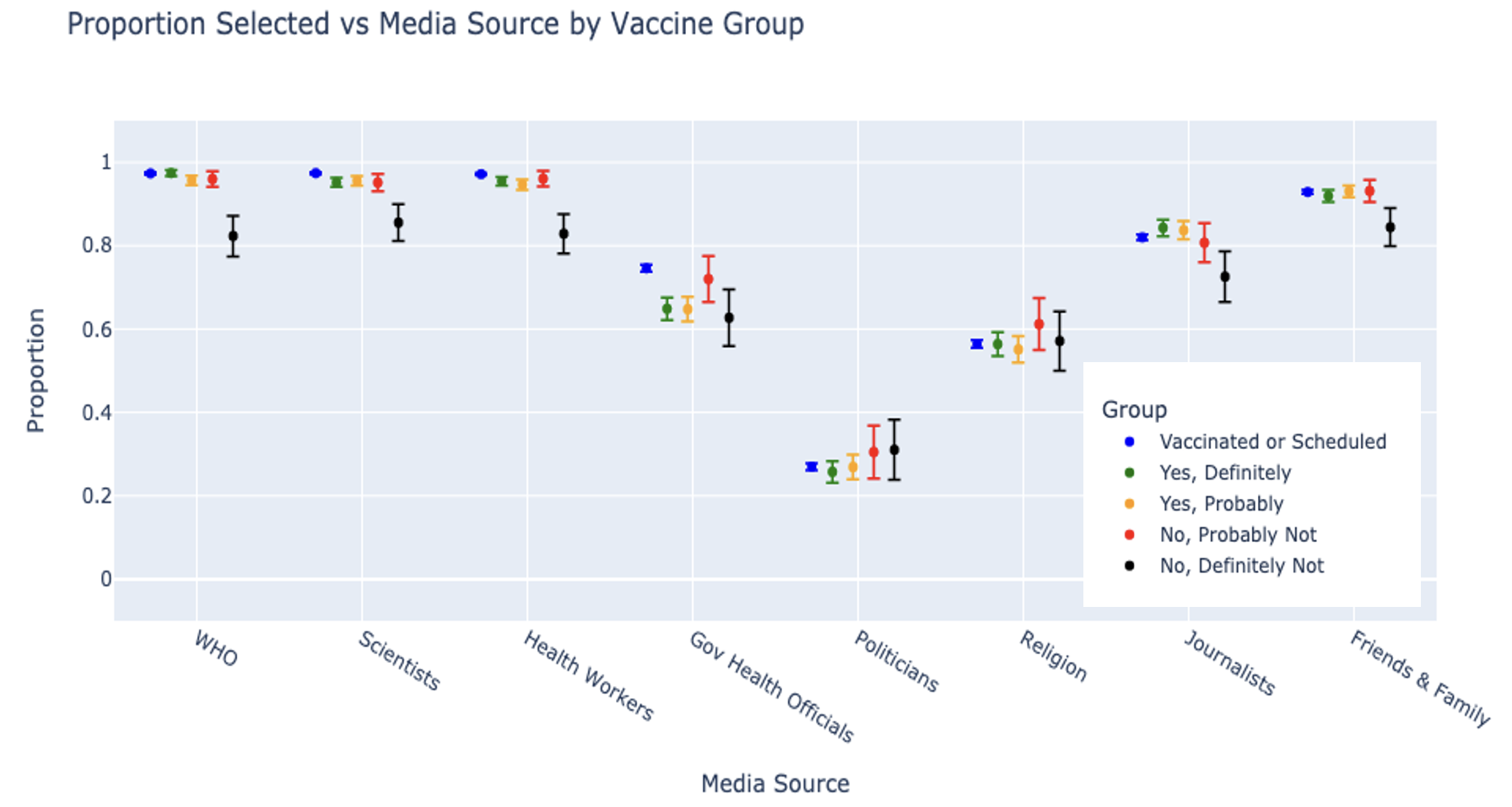
- Main concerns were side effects and caution; 97% trusted health experts most for information.
Visual highlights
The Problem
- In mid-2021, Bangkok’s limited vaccine supply and low uptake slowed outbreak control.
- Many high-risk “608” groups were hesitant despite incentives.
- Policymakers lacked quick, local data on hesitancy drivers, making targeted responses difficult.
The Solution
- Used the UMD/Facebook daily survey to capture real-time vaccination intent and attitudes.
- Weighted data to reflect Bangkok demographics and matched results with official records.
- Analyzed hesitancy trends and reasons weekly, using correlations to confirm validity.
Architecture Overview
- Collected 34,000+ responses over five months for daily and weekly analysis.
- Checked representativeness weekly and applied demographic weighting.
- Created an automated dashboard showing trends like “% hesitant” and “top reasons.”
- Used Python/R for subgroup analysis and statistical testing of differences.
- Automated scripts updated metrics weekly for city health officials.
Results and Impacts
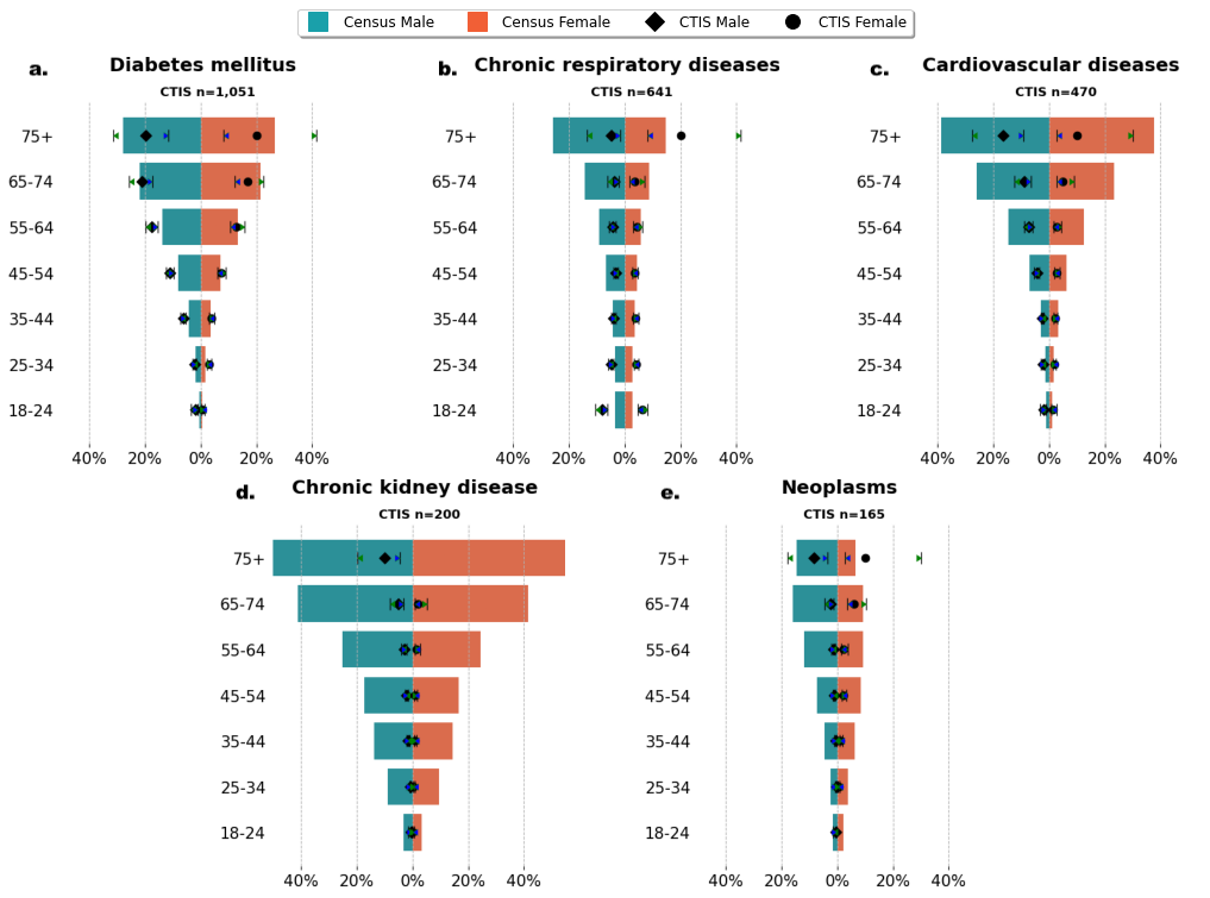
- Survey demographics closely matched Bangkok’s population, ensuring reliable insights.
- Hesitancy dropped ~7% weekly as vaccinations rose, confirming campaign impact.
- Top concerns: side effects and “wait and see”; anti-vax sentiment remained low.
- Nearly all respondents trusted health professionals, shaping Bangkok’s messaging strategy.
Skills and Tools Used
| Technique/Skill | Tools/Implementation |
|---|---|
| Skill/Tool Category | Application in Bangkok COVID-19 Vaccine Hesitancy Insights |
| Survey Data Analysis | Processed large-scale responses in Python/R with cleaning, weighting, and trend tracking. |
| Global Collaboration | Worked with Thailand’s MoPH and academic teams to align insights with local policy. |
| Statistical Rigor | Applied Kendall tau and chi-square tests to confirm trends and group differences. |
| Data Visualization | Built clear dashboards and weekly reports with matplotlib and Plotly. |
| Communication & Storytelling | Translated data into concise insights like “hesitancy falling; stress safety messaging.” |
| Public Health Partnership | Delivered fast, actionable insights integrated into Bangkok’s COVID response. |
Cross-Project Capabilities
- Adaptable digital surveillance applied to city-level and national contexts.
- Strengthened behavioral insight skills from large-scale human data.
- Enhanced coordination across data, policy, and public health teams.
Published Papers/Tools
- Policy Guidance: Summarized key drivers of hesitancy and guided health messaging strategies for Bangkok officials to improve vaccination rates. The messages focused on safety (to address side effect concerns) and trusted messengers (health professionals).
- Peer-Reviewed Publication: JMIR Public Health and Surveillance (2023) – “COVID-19 Vaccine Acceptance and Uptake in Bangkok.” Paper