At a Glance
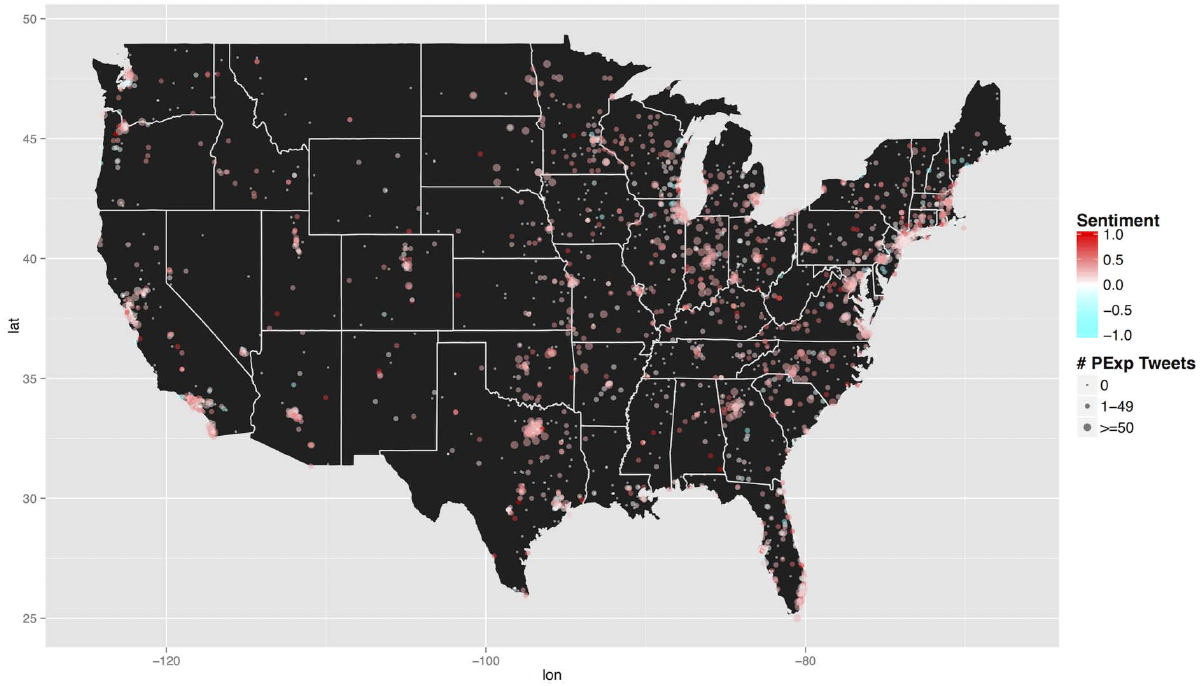
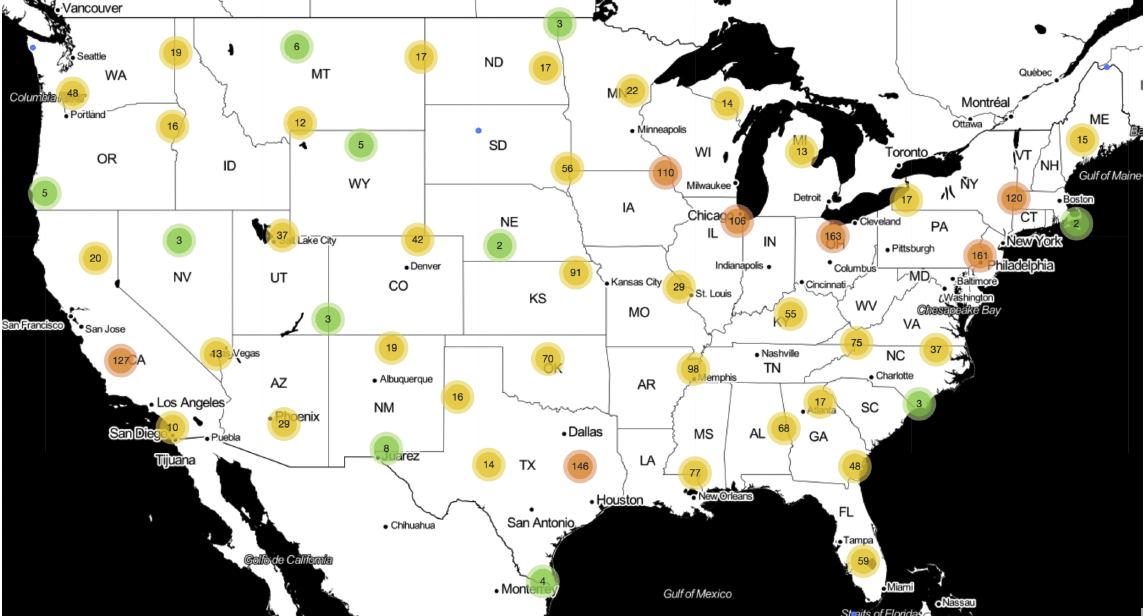
- Analyzed 404,065 tweets @-mentioned to 2,349 US hospitals (2012), identifying ~34.7K patient experience posts.
- Found Twitter feedback covered diverse aspects of care and provided immediate patient insights.
- Twitter sentiment only weakly matched traditional survey results, indicating it is mainly a supplemental indicator.
Visual highlights
The Problem
- Formal patient experience surveys have long delays and low response rates, missing timely feedback.
- Hospitals lacked immediate, unfiltered patient feedback outside official channels.
- It was unclear if social media sentiment could reliably complement established quality measures.
The Solution
- Collected 404,065 tweets (2012) directed at official hospital Twitter accounts.
- Used a machine learning classifier to filter ~34,725 patient experience tweets.
- Performed sentiment analysis and manually coded topics for a sample of patient-feedback tweets.
Architecture Overview
- Aggregated all @-mention tweets to official hospital accounts via API.
- Machine learning model filtered patient experience-related tweets from general mentions.
- Applied NLP for sentiment scoring and manually categorized sample tweets by topic.
- Merged Twitter results with hospital quality datasets (HCAHPS survey scores, readmission rates).
- Conducted statistical analysis comparing social media feedback to hospital performance.
Results and Impacts
- Only about 10% of tweets at US hospitals were patient-experience related.
- These patient-feedback tweets covered diverse aspects of care, reflecting varied real-time concerns.
- Hospital Twitter sentiment was only weakly related to formal quality measures.
Skills and Tools Used
| Technique/Skill | Tools/Implementation |
|---|---|
| Social media mining | Twitter API to capture hospital mentions |
| Text classification | ML classifier to isolate experience tweets |
| Sentiment analysis and coding | NLP plus manual content coding |
| Data integration | Merged Twitter data with hospital metrics |
| Statistical analysis | Correlation and regression analysis |
Cross-Project Capabilities
- Built on prior methods of combining social media with formal data (from the longitudinal study).
- Refined tweet classification and sentiment techniques that informed the racial disparities analysis.
- Engaging hospital stakeholders with data parallels engaging policymakers in other projects.
Published Papers/Tools
- A well-received publication at BMJ Quality & Safety documented this first-of-its-kind hospital Twitter analysis. Paper
- A now-archived website (CrowdClinical) showcased patient experince at 3000+ hospitals and clinics in the US and ranked US Hospitals based on social media sentiments. Archived website
- Developed a dataset of hospital-related tweets and a survey instrument for hospital social media practices.